
The Important Reason Why You’re Asked for a Valid ID
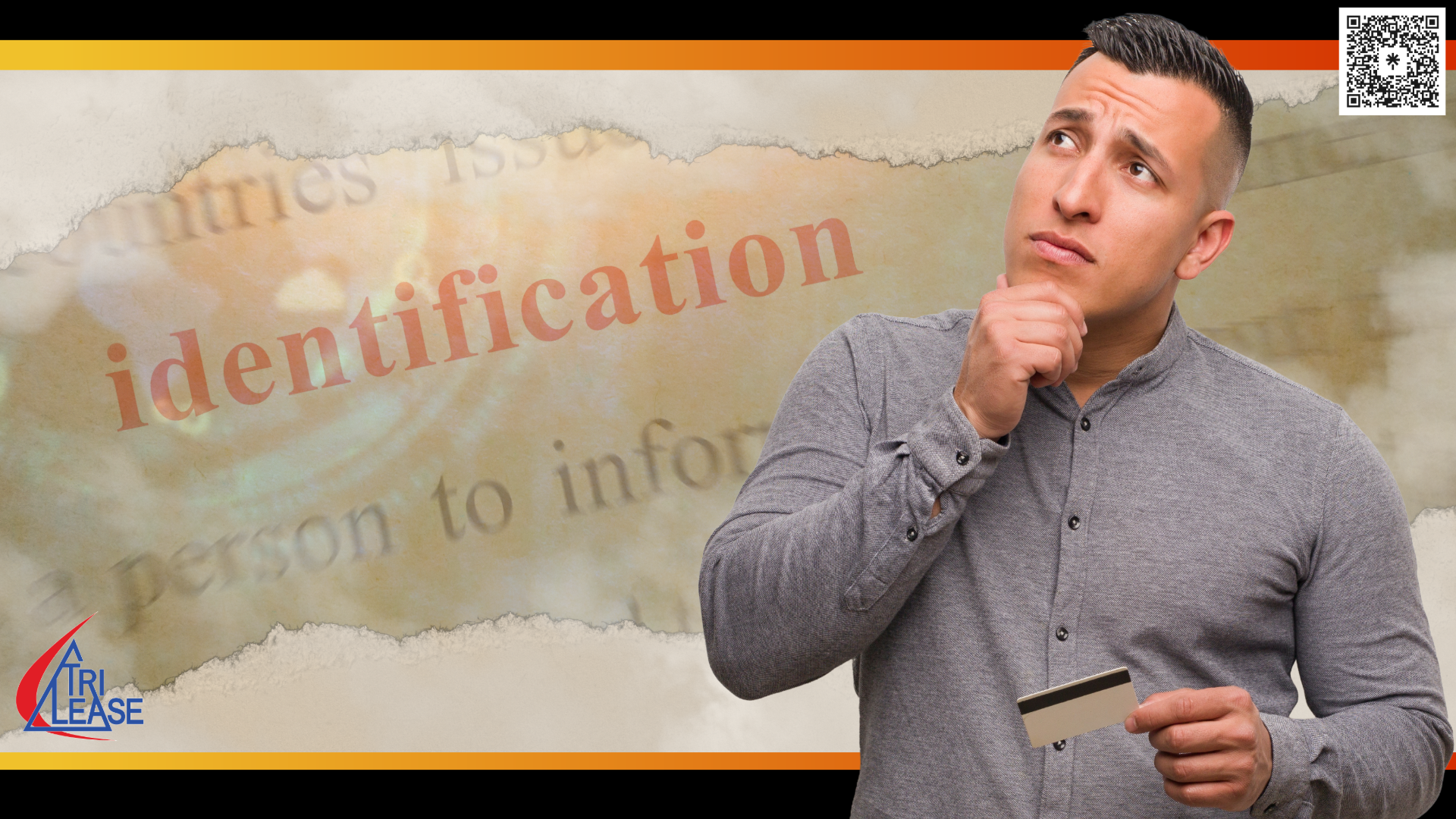
The question “May I see your ID, please?” is one we hear most often. Whether you are buying a vehicle, purchasing a home, cashing a check, checking into a hotel, or making a financial transaction, showing a valid form of identification has become part of everyday life. While it may sometimes feel repetitive or inconvenient, there is a very important reason financial institutions ask for proof of identification. This question is one of the simplest and most effective ways to help protect customers, businesses, and lenders from fraud and unauthorized activity.
Protecting Your Identity and Your Business
In today’s world of electronic documents, remote transactions, and online approvals, verifying identity has become more important than ever. Financial institutions invest millions of dollars each year into fraud prevention and security measures designed to protect all parties involved in a transaction. Yet even with advanced technology, one of the most reliable and cost-effective forms of protection is still something very simple: verifying a valid ID.
A valid ID helps confirm:
- The person signing documents is authorized to do so
- Signatures can be verified properly
- Unauthorized purchases or financing requests can be prevented
- Businesses and lenders are protected from fraudulent activity
While no security measure is completely foolproof, requesting identification remains one of the strongest first lines of defense.
A Real-World Example Any Business Owner Should Consider
Imagine receiving an invoice for equipment financing that you never personally approved. Perhaps a department manager or employee believed the purchase was necessary and assumed ownership would approve it later. The application gets submitted, financing is approved, and documents are signed without the business owner’s direct authorization.
It may sound unlikely, but situations like this have happened, especially within businesses where ownership is less involved in day-to-day operations. That is why a simple request for valid identification could have helped prevent a situation like this before it ever became a problem.
Why Financial Institutions Require ID Verification
Providing a valid ID is not simply company policy. It is also required by law. Under Section 326 of the USA Patriot Act & the Privacy Act of 1974, financial institutions must implement reasonable procedures to ensure strict privacy and data protection and to verify the identity of anyone applying for financing.
At Tri-Lease, we work to keep the process as simple and non-invasive as possible by typically requiring only one valid form of identification that can verify identity, address, and signature.
Accepted forms of Identification must be valid, current, and non-expired. This may include:
- Driver's License
- Military ID
- State-Issued Identification Card
- Permanent U.S. Resident Card (Green Card)
- U.S. Passport
Sometimes you may also be asked to provide:
- Employer Identification Number (EIN) verification letter from the IRS
- Business license or operating permit
- Copy of a Voided Business check or a bank letter (if ACH is required)
- Proof of ownership in the form of a Schedule K-1, Articles of incorporation or current Sectary of State filing
Helpful Tips When Signing Official Documents
- Sign in blue or black ink when original documents are required. This can help distinguish originals from copies.
- Avoid using signature stamps or computer-generated signatures unless you are using an approved electronic signature platform, such as DocuSign.
- Sign documents consistently with the signature shown on your identification.
- Check your ID expiration date regularly and renew it before it expires.
- Avoid crossing out mistakes. If you must make a correction, draw one clean line through the words you wish to void. Then write your initials and the date directly next to the cross-out to signify agreement.
Our Commitment to Protecting Your Information
At Tri-Lease, we believe safeguarding your personal and business information should always remain a top priority of the financing experience. So, the next time someone asks, “May I see your ID?” you can feel confident knowing the purpose is to help protect your identity, your business, and your financial security.











Share On Social Media: